
Lahore does not reveal itself through a checklist. Its history is layered into gateways, courtyards, bazaars, gardens, shrines and kitchens—places where the Mughal, Sikh, colonial and contemporary city continue to meet.
Lahore at a glance
- Heritage status: Lahore Fort and Shalimar Gardens are one combined UNESCO World Heritage Site, inscribed in 1981 under criteria (i), (ii) and (iii).
- Best time: October to March for comfortable heritage walks; February and March are especially pleasant. April can still work, while May to September is generally hot, with the monsoon usually affecting July and August.
- Recommended stay: Two full days for an introduction; three to four days for a more thoughtful exploration.
- How to arrive: Lahore has an international airport and national road and rail connections. By private road, it is commonly combined with Islamabad, Taxila and the Grand Trunk Road.
- Good to know: Modest clothing is appropriate at mosques and shrines. Shoes must be removed in prayer areas, and permission should be requested before photographing people.
Begin inside the Walled City
The most rewarding introduction starts early, before the lanes become busy. Entering through Delhi Gate brings the scale of old Lahore down to a human level: carved balconies, neighbourhood mosques, workshops and markets shaped by generations of daily life.
The Shahi Hammam was built in 1635 during the reign of the Mughal emperor Shah Jahan. Nearby, construction of the Wazir Khan Mosque began in 1634 and was completed in 1641. Its tilework and frescoes make it one of the most richly decorated surviving Mughal mosques in the region.
Imperial Lahore in historical context
Lahore Fort stands at the northwestern edge of the Walled City on a site occupied for centuries. Its surviving monuments record several phases of Mughal rule. Emperor Akbar established much of the fort’s monumental form; Jahangir completed the great northern court in 1617–18 and added decoration in 1624–25; Shah Jahan added the celebrated Sheesh Mahal in 1631–32.
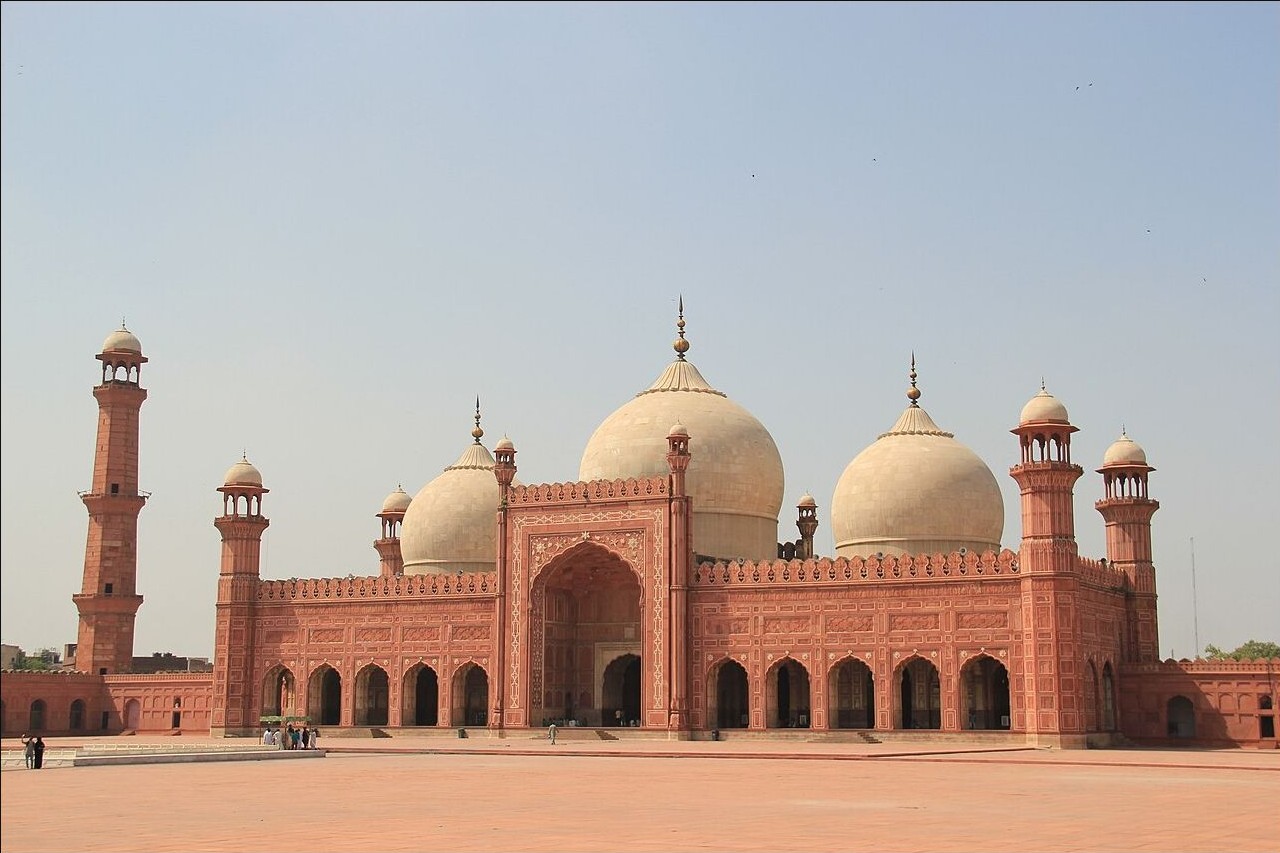
The Badshahi Mosque was commissioned by Emperor Aurangzeb and completed in 1673. Although it is essential to Lahore’s historic ensemble, it is important to be precise: the mosque itself is not part of the currently inscribed UNESCO property, which consists of Lahore Fort and Shalimar Gardens.
UNESCO World Heritage: Fort and Shalimar Gardens
UNESCO inscribed Lahore Fort and Shalimar Gardens together in 1981 as outstanding expressions of Mughal artistic achievement. The two complexes are approximately seven kilometres apart.
Shalimar Gardens were constructed for Shah Jahan in 1641–42. Covering about 16 hectares, the garden is organised over three terraces with pavilions, pools and an elaborate water system. The property appeared on UNESCO’s List of World Heritage in Danger from 2000 until 2012; continued conservation remains central to its future.
Gardens, craftsmanship and contemporary culture
Beyond the monumental core, Lahore’s story continues through Sikh heritage sites, traditional craft workshops, galleries and studios. Its cultural identity is not preserved behind glass; it remains active in textiles, metalwork, miniature painting, music, literature and regional food traditions.
A thoughtful Lahore journey balances major heritage sites with the smaller encounters that make the city legible.
How to get there and plan the route
By air: Allama Iqbal International Airport connects Lahore with major domestic and international gateways. Flight schedules should be checked for the intended dates.
By road: Lahore is connected to Islamabad by motorway and can form part of a private cultural route through Taxila, Rohtas Fort and the Grand Trunk Road. It also connects naturally southward to Multan and Bahawalpur.
By rail: Lahore is a major station on Pakistan’s railway network, with services linking cities including Islamabad/Rawalpindi, Multan and Karachi. Timetables and service standards should be confirmed before departure.
How much time does Lahore deserve?
Two full days provide a strong introduction. Three or four allow a more considered pace, including the Walled City, Lahore Fort, Badshahi Mosque, Shalimar Gardens, museums, craft traditions and selected experiences along the wider Grand Trunk Road.
Explore the Lahore and Punjab destination guide →
Plan your private journey across Pakistan →
Heritage note: UNESCO status and historical dates were checked against the UNESCO World Heritage Centre’s official record for the Fort and Shalimar Gardens in Lahore. Access arrangements and opening conditions can change and should be reconfirmed before a visit.