
Karakoram Autumn Photography Expedition
A 16-day visual journey through Baltistan, Hunza, Gojal, Shimshal, Islamabad and Peshawar—timed for late-autumn colour, clear mountain light, cultural encounters and patient location-based photography.
Autumn light across the Karakoram.
| Dates | Reference | Status |
|---|---|---|
| 24 October–8 November 2026 | EP-019 | On request |
| Private departures · Late October | EP-019 | Tailor-made |
The journey begins upon arrival in Islamabad and ends with the departure transfer from Islamabad. The sequence may change with flight schedules, autumn timing, road access and weather.
Twin-sharing accommodation. Single supplement from USD 600. Final price depends on group size and confirmed services.
Request detailsA photography-focused route from desert valleys to high Karakoram villages
This carefully designed small-group expedition balances famous northern landscapes with village life, historic architecture, high viewpoints and time to observe rather than rush. Its pace is shaped around strong locations, changing light and varied photographic opportunities.
The route begins among Baltistan’s braided rivers and cold-desert textures, reaches the dramatic Marsur Rock viewpoint, then follows the Indus and Karakoram Highway through the autumn landscapes of Hunza and Gojal. A dedicated 4WD journey into remote Shimshal Valley is one of the program’s principal attractions, with time for both village and mountain photography before Islamabad and Peshawar provide a final urban and historical contrast.
From Marsur Rock to Hunza and remote Shimshal
Built around place, light and access
Sixteen days of landscapes, culture and mountain light
Arrive Islamabad and fly to Skardu
The journey begins with arrival assistance at Islamabad International Airport and the onward flight to Skardu when conditions permit. After hotel check-in, photograph the Skardu basin around Chunda and Satpara, with a gentle first day for acclimatisation. If the domestic flight is cancelled, the operating sequence and ground-transfer plan will be adjusted.
Sarfaranga Cold Desert and Shigar Valley
Work with the graphic forms of Sarfaranga’s dunes, river terraces and surrounding peaks before continuing into Shigar. The valley combines cultivated land, traditional settlement patterns and restored heritage architecture, including the historic Shigar Fort complex.
Khaplu and the Shyok Valley
Follow the Indus and Shyok rivers east toward Khaplu. Photograph river confluences, village scenes and mountain architecture. Khaplu Palace was restored as a heritage property and received a UNESCO Asia-Pacific Heritage Award of Distinction in 2013; this is a conservation award, not World Heritage inscription.
Kharpocho Fort and Hussainabad Broq village life
Begin with the elevated Kharpocho Fort setting above Skardu, then continue to Hussainabad Broq for a village-life experience and homestay. Photography is undertaken respectfully and only with permission where people are the subject.
Marsur Rock photography trek
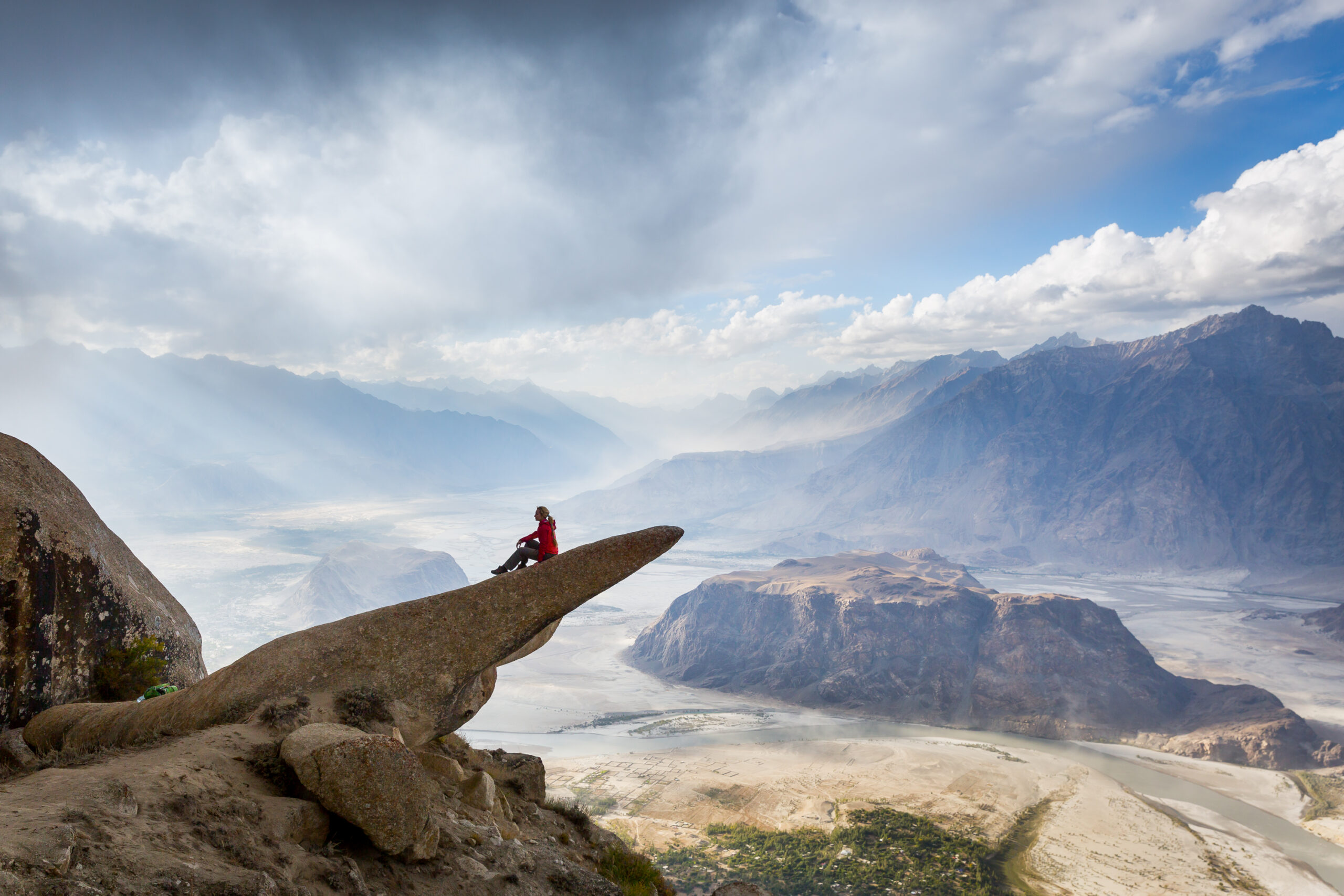
Hike to Marsur Rock for one of Baltistan’s most dramatic compositions: a projecting granite formation above the Indus–Shigar landscape. The day requires good footwear, steady balance and comfort with altitude and exposed terrain. The guide may shorten or cancel the viewpoint section if conditions are unsafe.
Skardu to Karimabad, Hunza
Drive west beside the Indus and north along the Karakoram Highway. Photograph selected river and mountain viewpoints before reaching Karimabad. This is a long transfer day, and stops depend on daylight and road conditions.
Karimabad at an unhurried pace
A slower day for rest, image review and independent work in Karimabad bazaar. Visit Baltit Fort as desired. The approximately 700-year-old fort was restored over six years, with completion in 1996, and now operates as a museum and cultural centre.
Rakaposhi, Altit Fort and Eagle’s Nest
Photograph Rakaposhi from selected Karakoram Highway viewpoints, then visit Altit Fort and its historic settlement. The roughly 900-year-old fort completed conservation work in 2010 and received a UNESCO Asia-Pacific Award of Distinction in 2011. Continue to a high Hunza viewpoint for late light when conditions allow.
Hopper Valley and Nagar
Cross into Nagar and continue toward Hopper for glacier, moraine and village photography. Autumn trees, stone walls and cultivated terraces create intimate foregrounds against the high peaks.
Karimabad to Passu, then 4WD to Shimshal
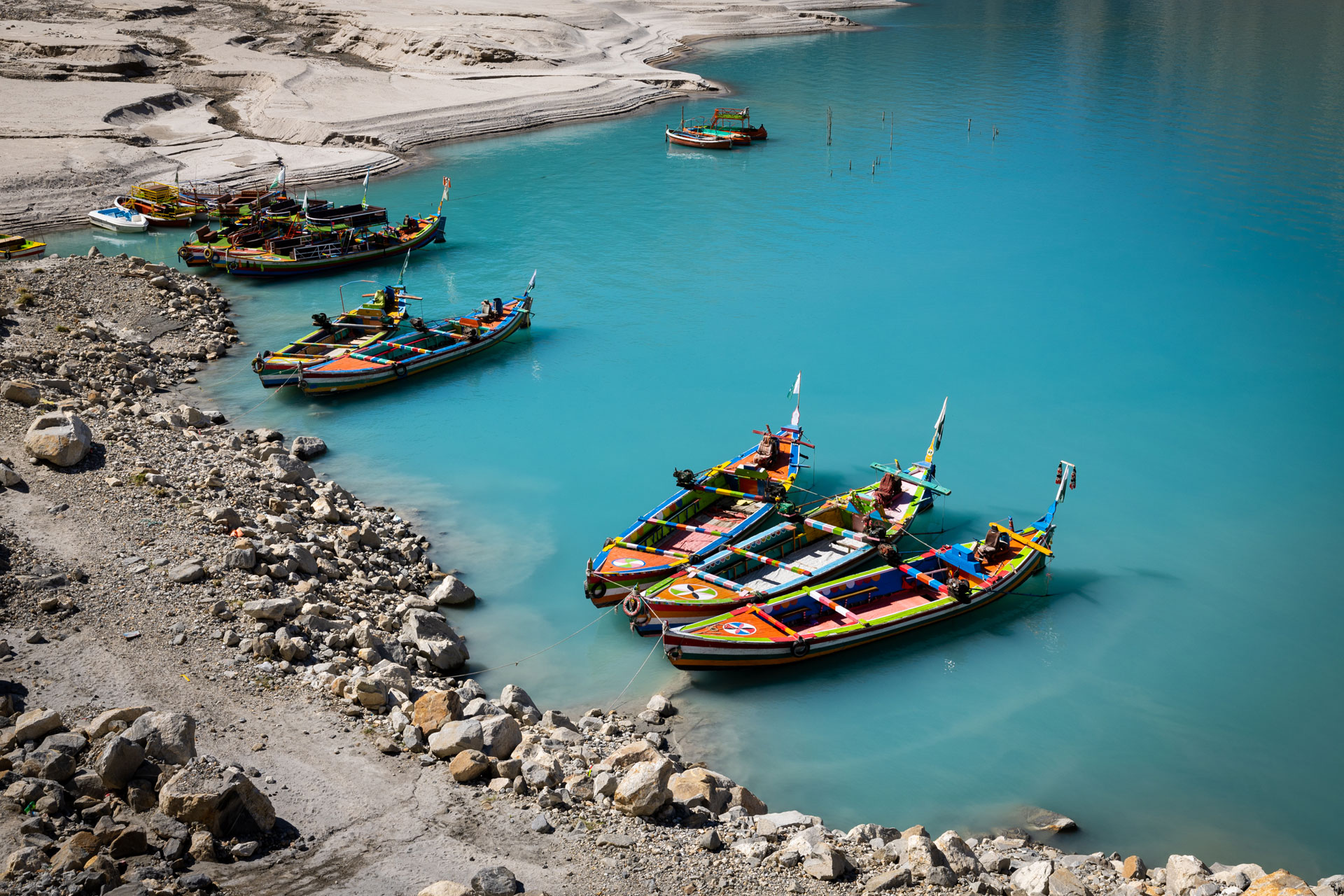
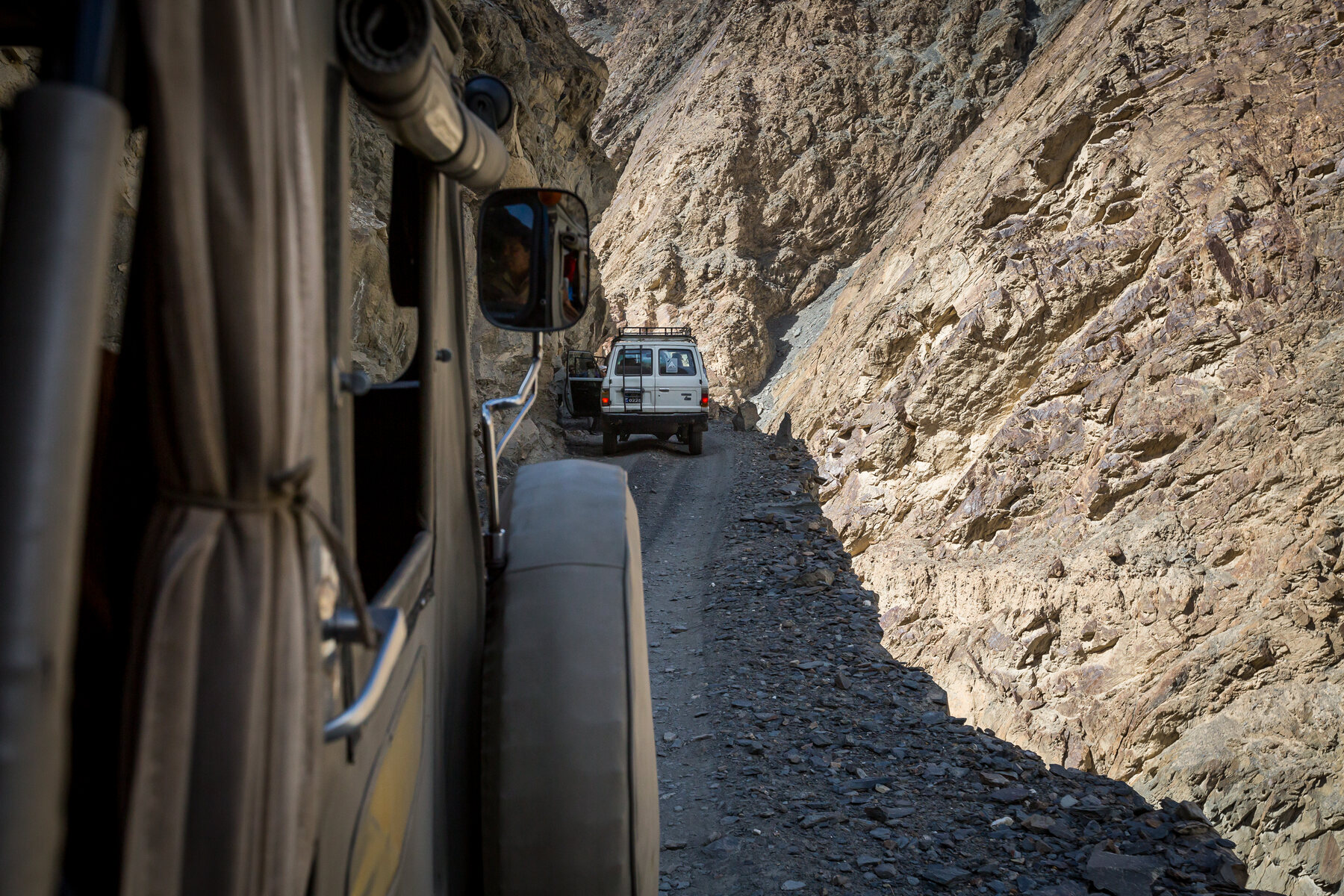
Drive beside Attabad Lake through Gojal, then transfer to locally operated 4WD vehicles for the narrow Shimshal road. The approach—with deep gorges, suspension bridges and immense rock walls—is itself a major photographic chapter. Arrive in the remote high valley for evening light and an overnight stay close to the traditional settlement. The journey is condition dependent; rockfall, water and maintenance can require a revised plan.
Shimshal Valley photography, then Passu and Hussaini
Begin with dedicated morning photography in Shimshal, one of the expedition’s main attractions: village life, cultivated terraces and the surrounding high-mountain landscape. Return by 4WD to Passu, then continue to Hussaini for bridge and village compositions, using care around exposed paths and respecting local movement through the area.
Passu Glacier, Gulmit and Upper Hunza crafts
Walk toward a safe Passu Glacier viewpoint, subject to trail conditions. In Gulmit, visit a women-led carpet or craft initiative when available, focusing on process, detail and environmental portraiture with consent.
Sost and the upper Karakoram, then Gilgit
Travel north to Sost for frontier-town and mountain-road photography before turning south to Gilgit. The day provides changing perspectives on the Karakoram Highway, Passu Cones and upper Hunza settlements.
Fly Gilgit to Islamabad
Fly to Islamabad when scheduled. Explore selected bookshops, Faisal Mosque, Margalla viewpoints and Rawalpindi street scenes as time permits. If the flight is cancelled, the Karakoram Highway becomes the alternative and the program is adjusted.
Peshawar photography day
Travel to Peshawar for bazaars, traditional streets, craft details and the layered cultural landscape of a historic frontier city. Photography in busy public spaces is guided sensitively, with restrictions respected.
Departure from Islamabad
Transfer to Islamabad International Airport for onward departure. An additional buffer night is recommended when international connections are tight after weather-dependent domestic travel.
Day-by-day photography route map
Map lines and distances are indicative. Domestic flights, mountain roads and the Shimshal section remain subject to weather, closures and operational conditions.
Clear inclusions, exclusions and expectations
Services included
- 15 nights twin-sharing accommodation, including one local homestay
- Private airport transfers connected to the itinerary
- Suitable group vehicle throughout the road program
- Local 4WD transport for the Shimshal section
- Experienced local guide and coordination
- Entrance fees to listed forts and attractions
- Applicable operational taxes and road charges
- Pakistan visa-support documentation
Services not included
- All meals and beverages
- International and domestic flights; booking assistance is available
- Single room unless the supplement is paid
- Travel, medical and emergency evacuation insurance
- Camera equipment, batteries, memory cards and personal porterage
- Tips, laundry and personal expenses
- Activities or services not specified in the itinerary
- Additional costs caused by flight disruption, weather, road closure or circumstances beyond our control
Photography, walking and seasonal notes
Marsur Rock: This is the most demanding walk in the program. It involves altitude, uneven ground and an exposed viewpoint. Participation is optional and depends on fitness, weather and the guide’s assessment.
Autumn timing: Late October and early November usually provide strong colour and crisp mountain light, but foliage timing varies each year with altitude and weather. Snow or early winter conditions may affect high roads.
Equipment: Bring a wide-angle and medium telephoto lens, sturdy tripod where practical, polarising and neutral-density filters, rain protection, spare batteries and ample storage. Cold mornings reduce battery performance.
Heritage status: UNESCO Asia-Pacific conservation awards mentioned here recognise restoration work. They do not mean the sites are inscribed on the UNESCO World Heritage List.
Photograph the Karakoram in autumn.
Share your country, preferred dates, number of participants, photography interests, walking ability and rooming requirements. A budget range is optional. We can respond by email or WhatsApp.
Send a photography enquiry