
Pakistan Grand Heritage Journey
A 16-day passage through Gandhara, Mughal capitals, Sufi cities, desert forts and the Indus Civilisation—from Islamabad and Peshawar to Lahore, Multan, Mohenjo-daro and Karachi.
Scheduled windows and private dates
| Dates | Reference | Status |
|---|---|---|
| 06–21 February 2027 | EP-015 | Registering interest |
| 06–21 November 2027 | EP-015 | Registering interest |
| 04–19 December 2027 | EP-015 | Registering interest |
Final pricing depends on group size, hotel category, vehicle plan and operating dates.
Request dates & priceFive thousand years of history in one continuous route
This cross-country journey follows Pakistan’s layered history from the Buddhist learning centres of Gandhara to Mughal Lahore, the Sufi architecture of Multan, the desert strongholds of Cholistan and the planned cities of the Indus Civilisation.
It connects six UNESCO World Heritage properties or components: Taxila, the Buddhist Ruins of Takht-i-Bahi, Rohtas Fort, Lahore Fort and Shalimar Gardens, Mohenjo-daro, and the Historical Monuments at Makli, Thatta. The route also makes room for living culture—old bazaars, shrines, crafts, river landscapes and regional communities—not only monuments.
Architecture, devotion and ancient cities
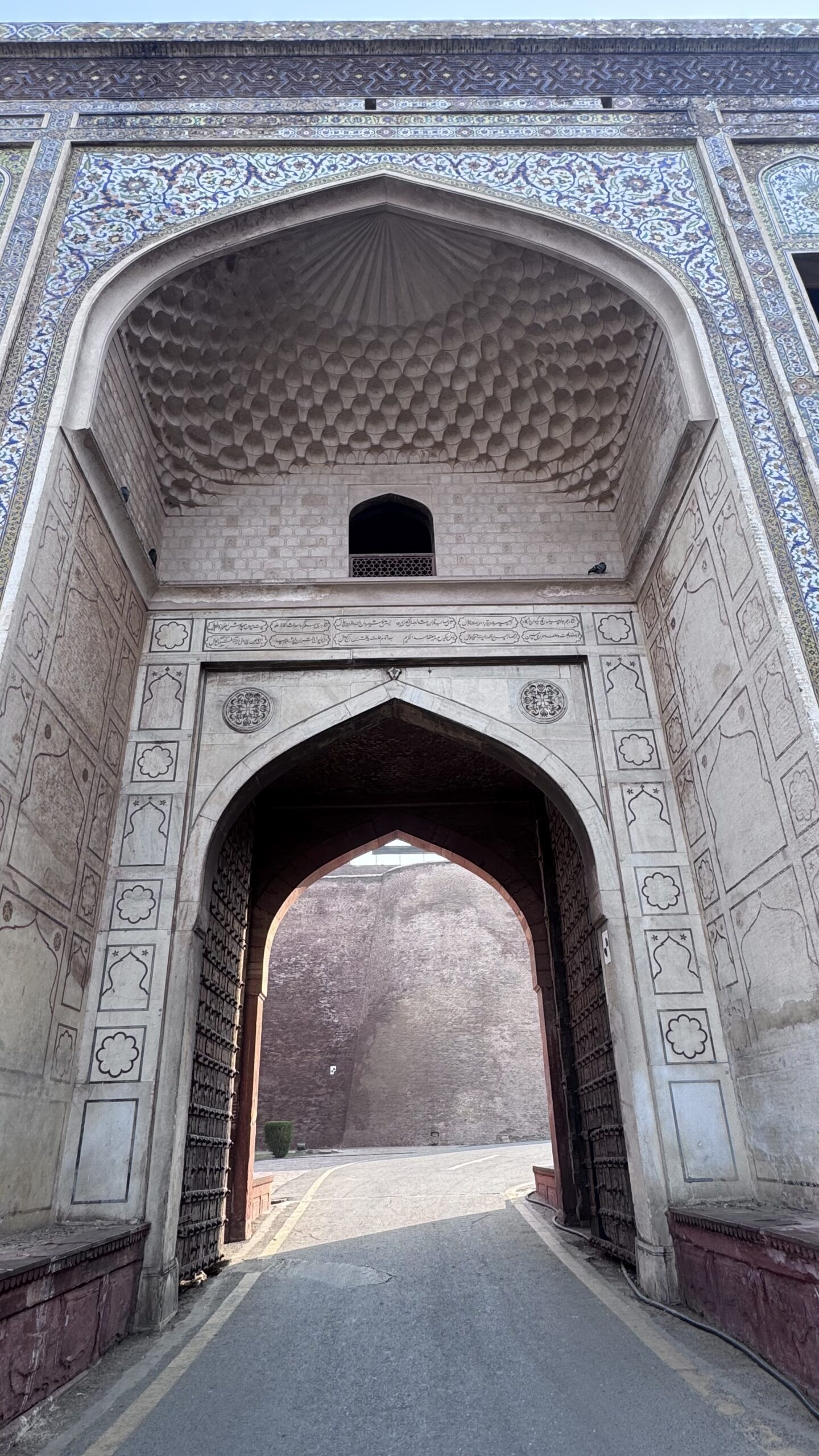
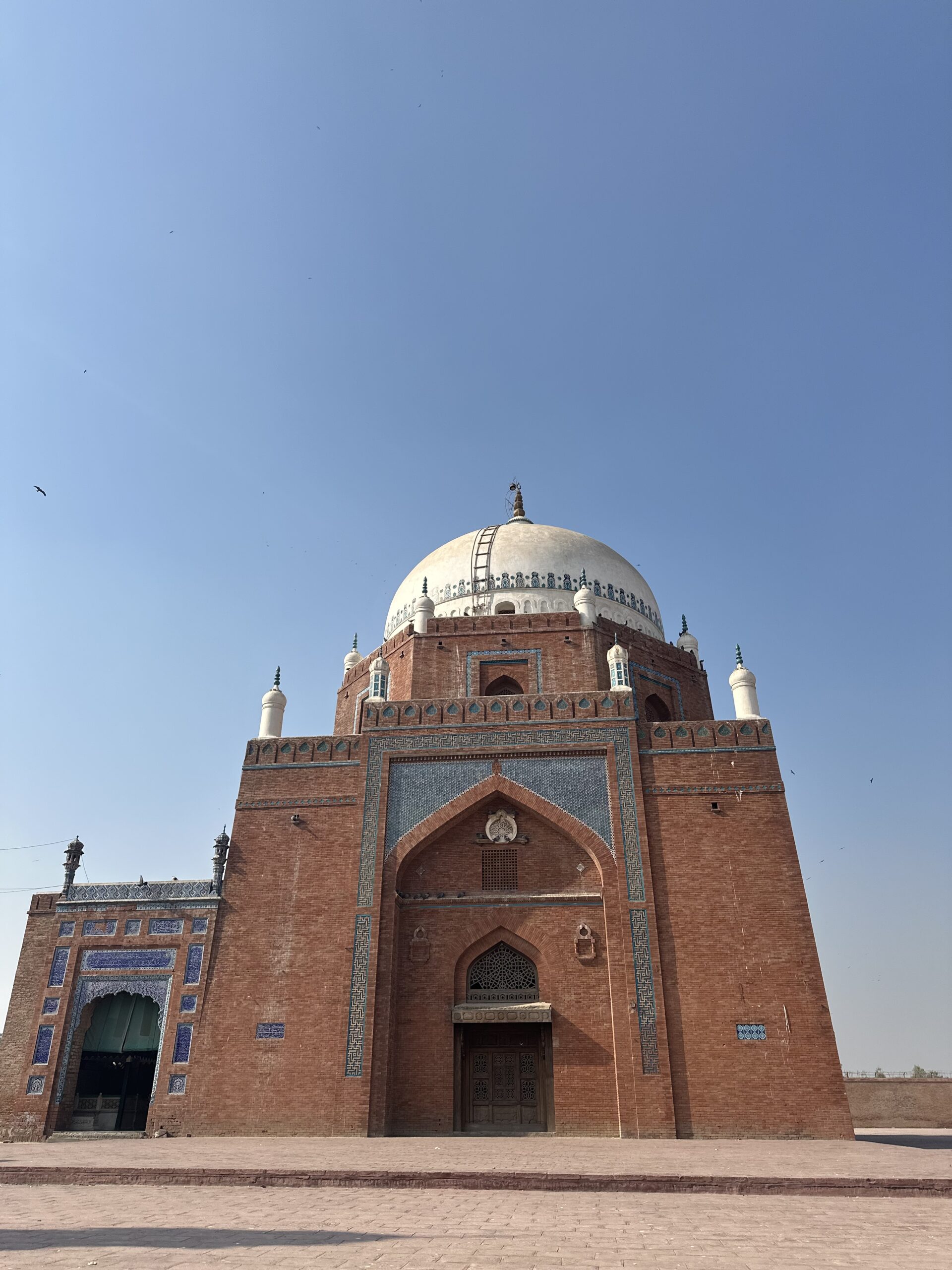
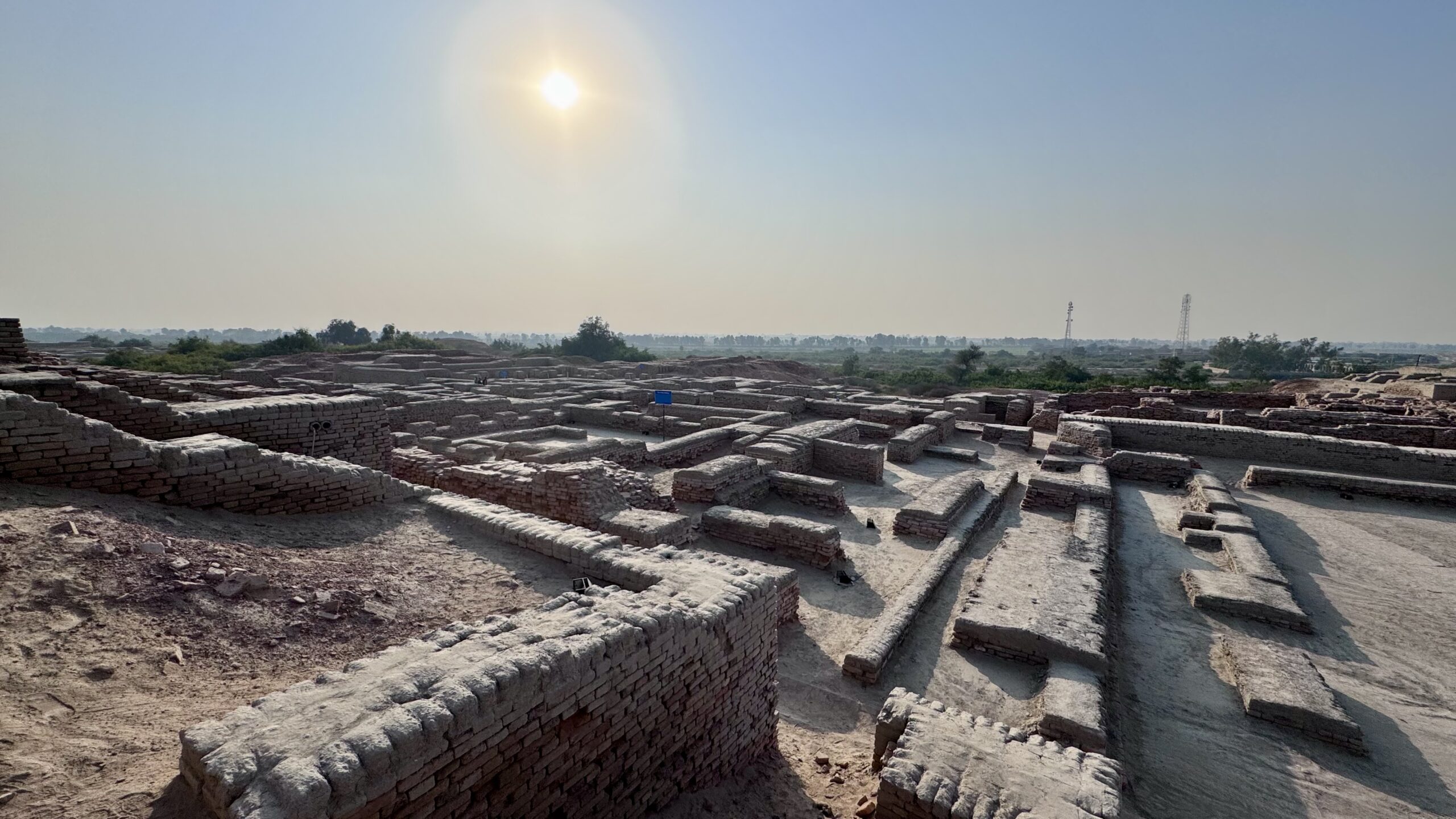
A route through Pakistan’s civilisations
Sixteen days from Gandhara to the Arabian Sea
Arrival in Islamabad
Airport reception and private transfer to the hotel. The evening briefing introduces the route, regional customs, photography guidance and the historical timeline ahead.
Taxila and Islamabad
Explore Taxila, inscribed by UNESCO in 1980. Its archaeological landscape records successive settlements at Bhir Mound, Sirkap and Sirsukh, together with Buddhist monasteries such as Jaulian. Return for selected Islamabad landmarks.
Islamabad to Peshawar
Drive west to Peshawar, one of South Asia’s oldest living cities. Walk through the historic core around Qissa Khwani Bazaar, visit the Peshawar Museum when open and observe the city’s long relationship with the Khyber trade routes.
Takht-i-Bahi and return to Islamabad
Visit the Buddhist monastic complex of Takht-i-Bahi, founded in the early first century CE and inscribed by UNESCO in 1980 with the neighbouring remains at Sahr-i-Bahlol. Return to Islamabad after the site visit.
Islamabad to Lahore via Rohtas Fort
Travel south to Rohtas Fort, built from 1541 under Sher Shah Suri to control the strategic route between the Indus and Punjab. UNESCO inscribed the largely intact military complex in 1997. Continue to Lahore.
Lahore Fort, Badshahi Mosque and Walled City
Enter Lahore’s Mughal heart through the Fort, whose major surviving palaces span the reigns of Akbar, Jahangir and Shah Jahan. Visit the Badshahi Mosque, completed in 1673 under Aurangzeb, and walk through the gates, bazaars and architectural layers of the Walled City.
Shalimar Gardens and Mughal tombs
Explore the Shalimar Gardens, created for Shah Jahan in 1641–42 and inscribed with Lahore Fort in 1981. Continue to the tomb of Emperor Jahangir at Shahdara and selected cultural or craft stops according to opening days.
Lahore to Multan via Harappa
Drive south and stop at Harappa, a major Indus Civilisation settlement occupied in the third millennium BCE. Its museum and excavated areas introduce the urban culture that flourished across the Indus basin before continuing to Multan.
Multan’s Sufi heritage
Visit the shrines of Bahauddin Zakariya and Shah Rukn-e-Alam, whose monumental tomb was completed in the early fourteenth century. Explore the old city, its gates, bazaars and blue pottery traditions with respectful timing around prayers and local gatherings.
Multan to Bahawalpur via Uch Sharif
Travel across South Punjab to Uch Sharif, associated with medieval scholarship and Sufi lineages. Visit the historic tomb complex before continuing to Bahawalpur, capital of the former princely state.
Cholistan and Derawar Fort
Enter the Cholistan Desert to see the forty-bastioned silhouette of Derawar Fort. The present structure was taken and rebuilt by the Abbasi rulers of Bahawalpur in the eighteenth century. Visit the royal necropolis and desert communities where access permits.
Bahawalpur to Sukkur
Cross from Punjab into Sindh, following the wider Indus corridor toward Sukkur. Stops are selected for safe driving hours, river views and regional context.
Sukkur to Mohenjo-daro and Larkana
Visit Mohenjo-daro, built around 2500 BCE and inscribed by UNESCO in 1980. Its gridded streets, wells, drainage and monumental Great Bath reveal the sophisticated planning of one of the world’s earliest major urban societies.
Larkana to Hyderabad via Bhit Shah
Drive south through the Indus plain to Bhit Shah, the shrine town of the Sindhi Sufi poet Shah Abdul Latif Bhittai (1689–1752). Continue to Hyderabad after time for the shrine, music traditions when available and local crafts.
Makli, Thatta and Karachi
Walk among the monuments of Makli, a vast funerary landscape developed between the fourteenth and eighteenth centuries and inscribed by UNESCO in 1981. Visit Thatta’s Shah Jahan Mosque, completed in the seventeenth century, then continue to Karachi.
Karachi and departure
According to flight time, visit selected landmarks such as Mazar-e-Quaid, Mohatta Palace, Frere Hall or the old port districts before the private airport transfer. An additional Karachi night can be arranged for a fuller city experience.
Day-by-day heritage map
The map shows the journey sequence and principal heritage stops. Driving lines are approximate and may change with road, security, weather and local access conditions.
What is included and excluded
Included
- Private transportation with fuel throughout the route
- Airport transfers in Islamabad and Karachi
- Accommodation on twin-sharing basis
- Experienced driver and cultural guide
- Entrance tickets to listed heritage sites and museums
- Tolls, parking and local coordination
- Visa-supporting documentation
- Mineral water in the vehicle
Not included
- All meals and beverages
- International and domestic flights; booking assistance is available
- Pakistan visa fee
- Travel and medical insurance
- Camera or filming fees charged separately at sites
- Tips, laundry, telephone use and personal expenses
- Costs caused by delays, closures or itinerary changes beyond our control
Best time and arrival planning
Best time: October to March offers the most comfortable conditions across Punjab and Sindh. December and January can be cool or foggy in Punjab, while Karachi remains milder. April and September are possible but warmer; May through August can be extremely hot.
Access: Arrive at Islamabad International Airport and depart from Karachi. The route is intentionally one-way to avoid repeating long driving sectors. International flights should be booked with a sensible arrival margin.
Dress and etiquette: Modest clothing is appropriate at mosques and shrines. Shoes are removed in sacred areas, and a head covering is recommended for women. Photography may be restricted during prayers or at sensitive locations.
Explore one region in greater depth
Lahore, Multan, Bahawalpur & Cholistan · Sindh: Indus Civilisation & Sufi Heritage · Peshawar, Chitral & the Kalash Valleys
Plan your Pakistan heritage journey.
Share your preferred dates, country, number of guests, interests and accommodation level. A budget range is optional. We can respond by email or WhatsApp with a tailored proposal.
Send an enquiry