
Pakistan Cultural Cities Photography Journey
A 12-day photography-led journey through Islamabad, Taxila, Rawalpindi, Peshawar, Lahore and Multan—connecting ancient archaeology, Mughal architecture, Sufi monuments, bazaars, crafts and contemporary street life.
Photograph Pakistan’s cultural cities in cooler light.
| Dates | Reference | Status |
|---|---|---|
| 13–24 February 2027 | EP-017 | Registering interest |
| 13–24 November 2027 | EP-017 | Registering interest |
| 04–15 December 2027 | EP-017 | Registering interest |
Final pricing depends on group size, hotel level, rooming and operating dates.
Request dates & priceAncient cities and living streets through a photographer’s eye
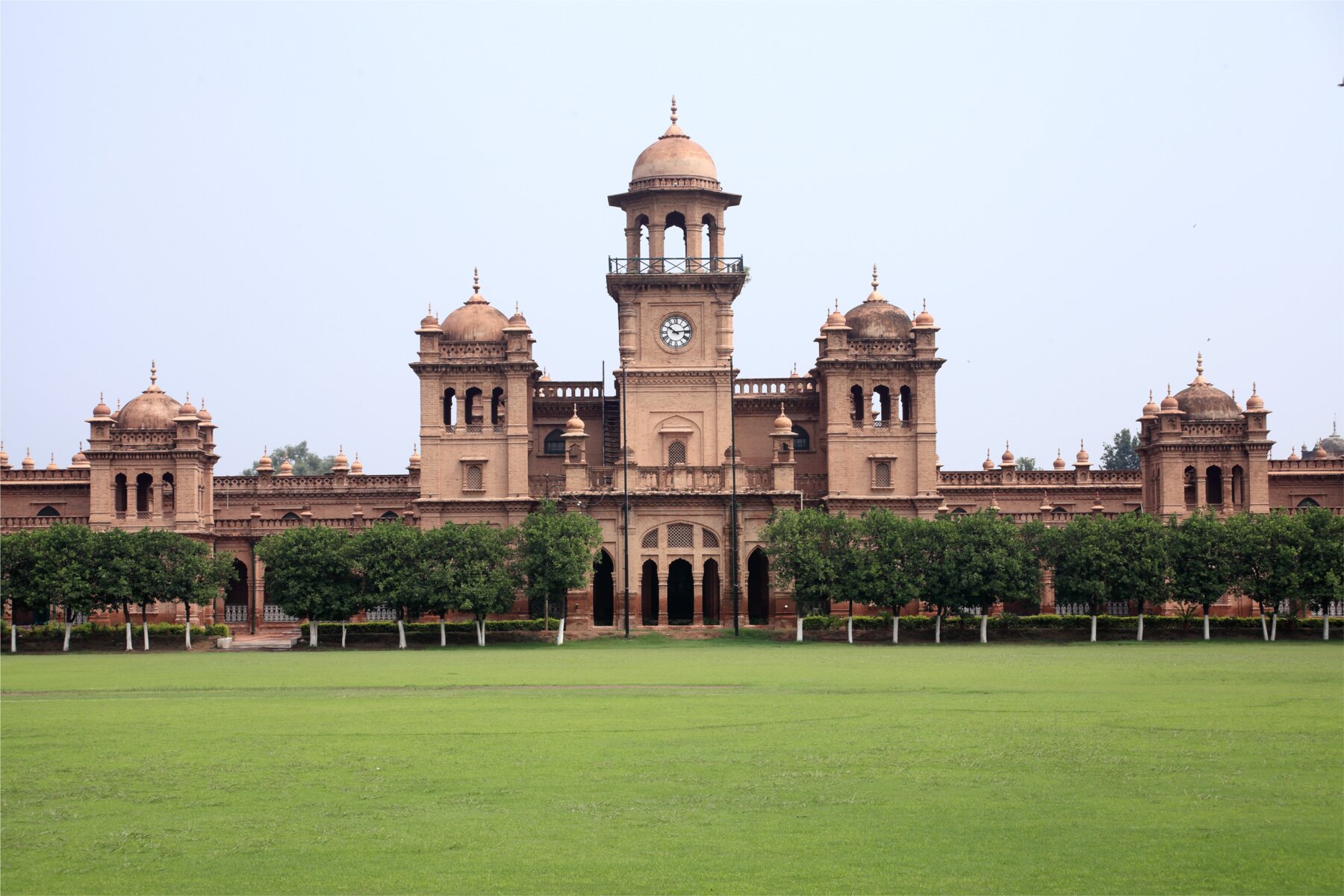
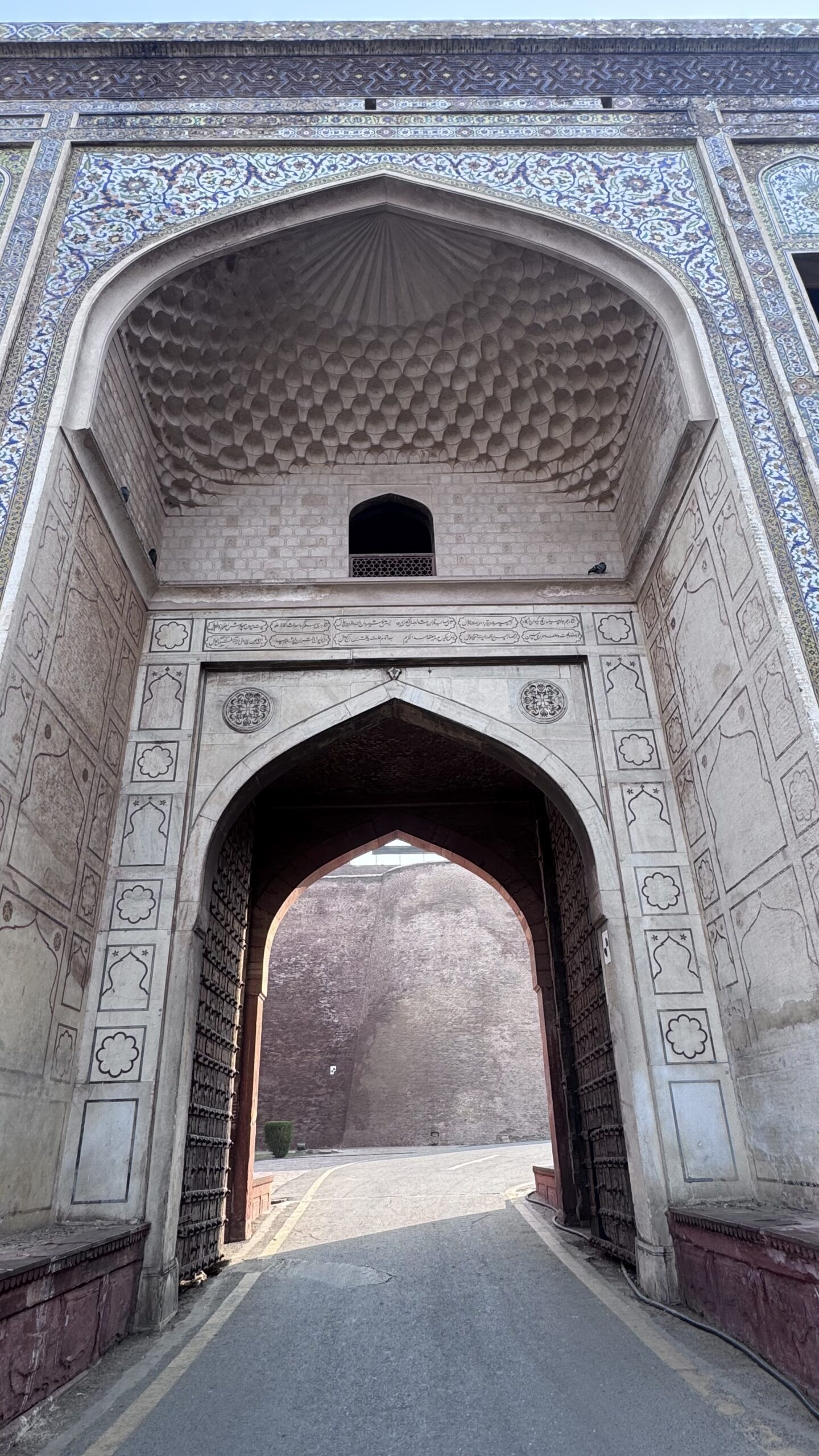
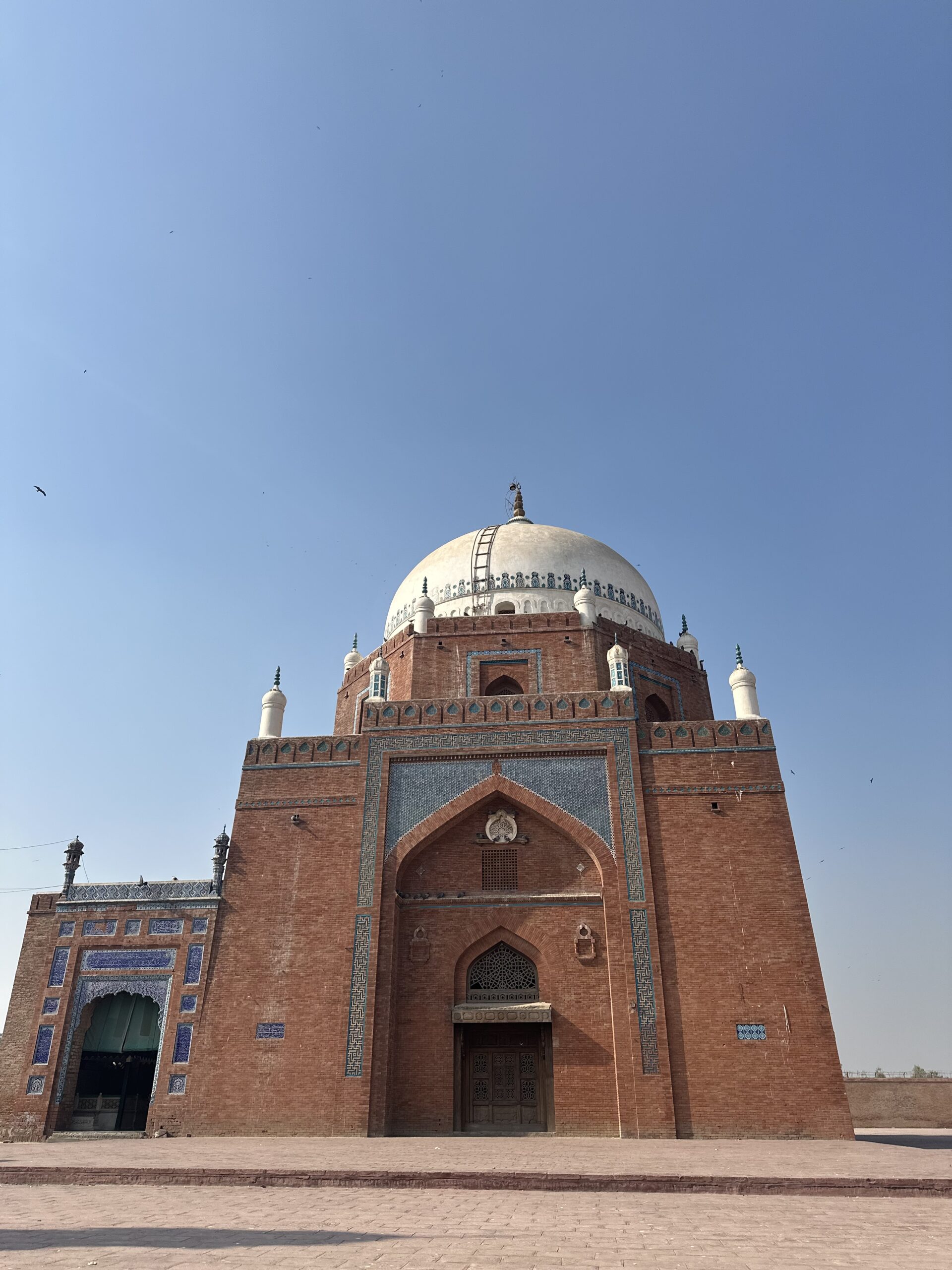
This route is designed for visual storytellers interested in architecture, street life, portraiture by consent, crafts, sacred spaces and the layered history of Pakistan’s cities. It moves from the archaeological landscapes of Taxila to Peshawar’s historic bazaars, Mughal Lahore and the blue-tiled Sufi monuments of Multan.
Early starts and late sessions are balanced with midday rest, museum visits and carefully timed access. The aim is not simply to collect landmarks, but to understand how people, trade, faith and architecture continue to shape each place.
Brick, tile, devotion and everyday life
A journey built around access and atmosphere
Twelve days from Gandhara to the city of saints
Arrival in Islamabad
Private airport reception and hotel transfer. The evening briefing covers the route, camera security, respectful street photography, portrait consent, sacred-space etiquette and the timing of early and late sessions.
Islamabad architecture and Margalla light
Photograph Islamabad’s planned avenues, modern civic architecture and the geometric form of Faisal Mosque, completed in 1986. The session is timed around changing light against the Margalla Hills, with selected contemporary locations according to access.
Taxila and Rawalpindi bazaars
Explore Taxila, a UNESCO World Heritage Site since 1980, where Bhir Mound, Sirkap and Buddhist monasteries record centuries of exchange between South and Central Asia. Return through Rawalpindi for evening street photography among traditional markets and neighbourhoods.
Islamabad to Peshawar
Drive west to Peshawar, one of South Asia’s oldest continuously inhabited cities. Begin with an orientation through selected historic quarters and make a late session around brick facades, gates and market activity as the working day changes pace.
Old Peshawar photography day
Work through Qissa Khwani Bazaar, traditional lanes, Sethi House and the Peshawar Museum when open. Once an important node on routes linking the subcontinent with Afghanistan and Central Asia, the city rewards patient observation of trade, architecture and everyday life.
Takht-i-Bahi and onward to Lahore
Visit the Buddhist monastic complex of Takht-i-Bahi, founded in the early first century CE and inscribed by UNESCO in 1980. Photograph its courtyards and stone cells in morning light before continuing to Lahore. Stops remain selective so the long transfer is completed safely.
Lahore Walled City at first light
Enter the Walled City early for gates, rooftops, bazaars and neighbourhood life. Continue to Lahore Fort, whose principal surviving palaces span the reigns of Akbar, Jahangir and Shah Jahan, and photograph Badshahi Mosque, completed in 1673 under Emperor Aurangzeb.
Shalimar Gardens and Mughal Lahore
Photograph the terraces, channels and formal geometry of Shalimar Gardens, created for Shah Jahan in 1641–42 and inscribed with Lahore Fort by UNESCO in 1981. Continue to Jahangir’s tomb and selected Mughal or colonial architecture according to light and opening days.
Lahore crafts, streets and blue hour
Use a slower day for artisans, food streets, traditional workshops and documentary details beyond the major monuments. Close portraits are made only with permission. Evening is reserved for a carefully chosen rooftop, mosque exterior or illuminated city composition.
Lahore to Multan via Harappa
Drive south and stop at Harappa, a major settlement of the Indus Civilisation occupied during the third millennium BCE. Its excavated remains and museum introduce the sophisticated urban culture of the Indus basin before continuing to Multan.
Multan Sufi architecture and bazaars
Photograph the monumental tombs of Bahauddin Zakariya and Shah Rukn-e-Alam, completed in the early fourteenth century, together with blue-tile details, old gates and bazaars. Sessions are planned respectfully around prayers, gatherings and site-specific restrictions.
Multan departure or onward arrangements
Transfer to Multan airport or railway station according to onward plans. A domestic flight or train to Islamabad, Lahore or Karachi can be arranged separately. Guests connecting to an international departure should allow a sensible buffer and may add an extra night.
Day-by-day cultural cities map
The map shows principal photographic stops. Exact city sessions change with light, prayer times, opening days, permissions, events and local access.
What is included and excluded
Services included
- 11 nights in carefully selected twin-sharing accommodation
- Private transportation with fuel, tolls, parking and driver expenses
- Experienced English-speaking cultural guide or guide-driver
- Airport transfers connected to the itinerary
- Guided photography and heritage visits described
- Entrance fees to listed monuments, museums and archaeological sites
- Mineral water during road journeys and sightseeing
- Pakistan visa-support or invitation documentation
- Applicable government taxes and service charges
Services not included
- All meals and beverages
- International and domestic flights; booking assistance is available
- Train tickets unless expressly added to the proposal
- Pakistan visa fee
- Travel, medical and equipment insurance
- Camera or filming fees charged separately by individual sites
- Equipment, excess baggage and personal expenses
- Tips and gratuities
- Costs caused by closures, delays or circumstances beyond our control
- Anything not expressly listed under Services included
Practical photography guidance
Best season: October through March generally offers more comfortable temperatures. December and January can bring cool mornings and fog in Punjab; haze can also affect urban visibility, so the daily schedule remains flexible.
People and sacred spaces: Ask before making close portraits. Photography may be restricted during prayers, inside shrines, around security-sensitive buildings or during private ceremonies. The guide will advise, but permission is never assumed.
Equipment: A discreet camera bag, fast normal lens, short telephoto, wide-angle lens, spare batteries and weather protection are useful. Tripods may be impractical in crowded streets and restricted at some monuments.
Arrival and departure: Begin in Islamabad and finish in Multan. Domestic onward flights and train journeys are excluded but can be booked with assistance. The route can also be extended south toward Bahawalpur, Sindh and Karachi.
Explore Pakistan’s heritage in greater depth
Pakistan Grand Heritage Journey · Peshawar, Chitral & the Kalash Valleys · Lahore, Multan, Bahawalpur & Cholistan
Plan your cultural photography journey.
Share your preferred dates, country, number of guests, photographic interests and accommodation level. A budget range is optional. We can respond by email or WhatsApp with a tailored proposal.
Send an enquiry